

 See My Latest Article on HelloNation
Why Consider a Pet-Friendly Garden?
Creating a pet-friendly garden helps residents of Rochester Hills, MI provide a healthier and safer outdoor experience for dogs, cats, and other animals. Thoughtful design choices can reduce risks, support daily exercise, and make yard time more enjoyable for both pets and their families.
Many local households keep pets who spend substantial time outdoors, especially during Rochester Hills’ mild spring, warm summers, and crisp autumns. A tailored landscape also helps minimize the chance of pets damaging prized plants—or plants harming pets.
Which Plants Are Safe and Which Should Be Avoided?
Some familiar garden favorites are hazardous to pets, while others are harmless or even beneficial. Prioritize non-toxic options and avoid common local pitfalls.
*Examples of pet-safe choices*:
- Marigolds
- Sunflowers
- Bee balm
- Snapdragons
- Thyme and basil (herbs)
*Toxic plants that should be avoided*:
- Foxglove
- Lily-of-the-valley
- Azalea
- Oleander
- Certain types of ivy
Area residents often grow tulips and daffodils, but bulbs and stems are toxic if ingested. Review the Michigan State University Extension’s published lists for a comprehensive reference. Even safe plants may cause stomach upset if eaten in large quantities, so supervision remains wise.
How Can Fencing and Boundaries Be Pet-Safe?
A secure yard perimeter not only keeps pets safe from traffic or wildlife but also prevents them from disturbing neighbors’ property. In Rochester Hills, fencing options vary due to local ordinances, neighborhood association rules, and typical suburban lot layouts.
*Practical considerations when installing or improving barriers*:
- Yard fences should be high enough for the pet’s size—at least four feet for most dogs.
- Check for gaps at fence bottoms, especially in older wooden or chain link styles. Small dogs or adventurous cats often find escape routes here.
- Use gates with secure latches; pets sometimes learn how to nudge them open.
- For invisible fencing, recognize that determined pets may cross the boundary and become reluctant to return.
Hedges (like boxwood or privet) can offer extra, pet-friendly privacy—but never use thorny shrubs near pet pathways.
What Should the Walking and Play Areas Include?
Animals need room to roam, play, and dig. Adequate, pet-driven design reduces the likelihood of muddy paws, trampled flowers, or bored pets creating their own “projects.”
*Suggested elements*:
- Durable turf varieties that handle wear, such as Kentucky bluegrass or fescue, thrive in the local climate and survive frequent foot traffic.
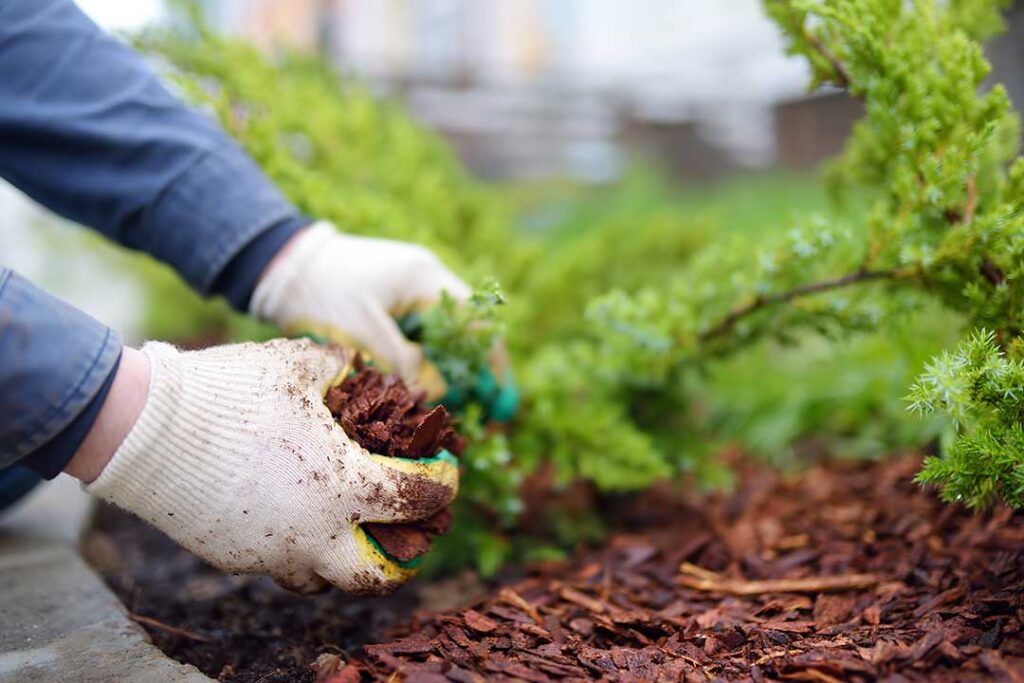
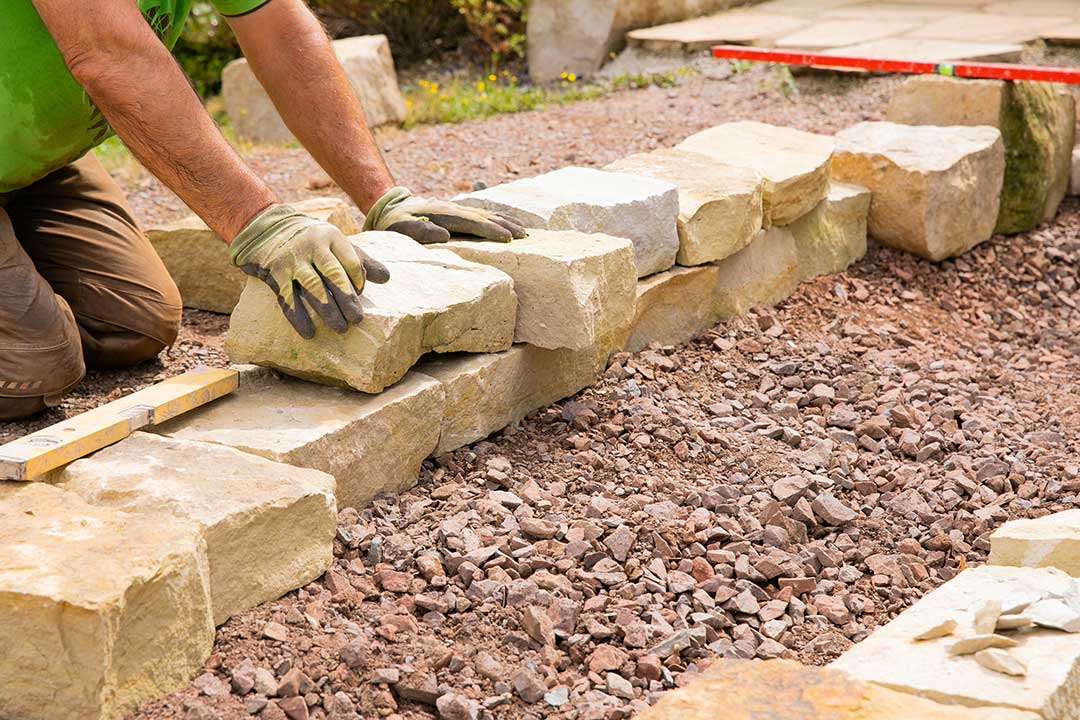
- Create clear, mulch- or gravel-lined pathways to guide activity away from delicate flower beds.
- Set aside a small “dig zone” with loose soil or sand for dogs who like to excavate—a practical way to protect garden beds.
Avoid sharp decorative stones or cocoa mulch, as chocolate by-products can be toxic.
How Do You Reduce Hazards Unique to Rochester Hills?
Climate and wildlife present unique challenges. The city’s freezing winters may lead to rock salt or de-icers tracked into yards; some of these are pet-toxic. Always select pet-friendly ice melts where exposure is likely.
Yard wildlife (such as squirrels, rabbits, and the occasional deer) can tempt dogs into risky pursuits or spread ticks and fleas. Regular yard maintenance reduces hiding spots for pests. Avoid using pesticides or herbicides that are not specifically labeled as safe for pets.
Compost bins and trash storage must be animal-proof—curious pets may dig in and ingest harmful substances during spring and fall yard cleanups.
How Do You Provide Shade, Water, and Shelter?
Consistent access to shade and water is a local must for animals spending time outdoors in the humid summers or chilly fall days.
*Effective cooling and shelter strategies*:
- Install shade sails, pergolas, or use strategically-placed trees (like maples or serviceberry) to provide relief from the midday sun.
- Set up sturdy kennels or pet houses with good airflow for shelter.
- Keep a heavy-bottomed water bowl in the yard, refreshed daily. In winter, use insulated or heated models to prevent freezing.
Never rely solely on ornamental ponds for pet hydration, as standing water may harbor algae or parasites—particularly in mid-summer.
What Are Common Overlooked Details?
Garden chemicals, sharp edging, and decorative accents are often overlooked during pet-friendly planning.
- Check that landscape edging does not have sharp metal or plastic corners at pet height.
- Store fertilizers, mosquito repellents, and other garden supplies out of animals’ reach—garage or shed shelving is preferable in typical Rochester Hills home layouts.
- Avoid small decorative stones, which can become choking hazards for playful pets.
Some pets chew on garden hoses; keep hoses neatly coiled, and if necessary, use chew-resistant types to prevent accidental ingestion.
How Do You Balance Garden Aesthetics With Pet Needs?
A stylish, functional landscape is possible without sacrificing pet safety. Selecting sturdy, pet-safe plantings along with attractive fencing and shade accents creates a unified look.
Mix texture and height in beds with robust perennials, aromatic herbs, and non-poisonous flowering shrubs. Raised planters or small fencing sections can shield more delicate flowers from boisterous play, blending visual appeal with practical boundaries.
Use mulches or gravel in neutral tones to harmonize high-traffic pathways with the rest of the yard.
For local residents, thoughtful design supports a harmonious coexistence between a beautiful garden and the needs of beloved animal companions—season after season.