

 See My Latest Article on HelloNation
What Defines Modern Landscaping for Local Homes?
Modern landscaping in Rochester Hills, MI blends functionality, sustainability, and aesthetics tailored to the local climate and lifestyle. Many residents focus on solutions that reduce maintenance, emphasize native plant choices, and provide outdoor spaces suitable for changing Michigan seasons. Landscaping trends are shaped by how families and individuals use their yards, the growing interest in eco-friendly design, and evolving preferences for minimalism and outdoor living.
How Are Families Using Outdoor Spaces Differently?
Today's homeowners often view their yards as extensions of their living space. In Rochester Hills, this shift means more patios, decks, and seating areas designed for gatherings, relaxing, or even working from home. Common features include:
- Multi-use patios with easy-care materials like concrete pavers or composite decking
- Fire pits or simple outdoor fireplaces for warmth in shoulder seasons
- Pergolas and shade sails to provide relief during humid Michigan summers
- Edible gardens that double as family activities—raised beds for vegetables and herbs are especially popular
The emphasis is on practicality: locally, lawns may be smaller or even partially replaced by these functional spaces as homeowners prioritize usable areas over large turf expanses.
Are Native Plants and Eco-Friendly Designs Becoming Standard?
Native and adaptive plantings are at the forefront for many in the community. Residents want landscaping that supports pollinators like bees and butterflies, handles the local clay soils, and survives Michigan winters and sometimes-dry late summers. Benefits include:
- Less need for supplemental watering once plants are established
- Lower fertilizer and pesticide requirements
- Increased resilience to regional pests and diseases
Residents frequently choose coneflowers, black-eyed Susans, native grasses, and serviceberries, recognizing that these options require less upkeep. Misconceptions persist—for example, some believe native gardens look "wild" or unkempt, but thoughtful design can keep them tidy and visually appealing.
What Lawn Alternatives Fit Rochester Hills Yards?
There’s growing interest in reducing turf grass. This doesn't necessarily mean eliminating lawns entirely, as many households still value some grass for play and pets. However, alternatives and supplements to traditional lawns are trending:
- Groundcovers such as creeping thyme or sedum offer green coverage with lower mowing needs
- Expanded mulched or stone beds reduce mowing and edging
- Pollinator-friendly microclover blends, which stay green and resist drought
- Rain gardens in low-lying areas to capture and filter runoff, often required in new developments
Each of these options addresses the local desire to cut down on ongoing maintenance while creating attractive, functional landscapes.
How Do Residents Balance Privacy and Curb Appeal?
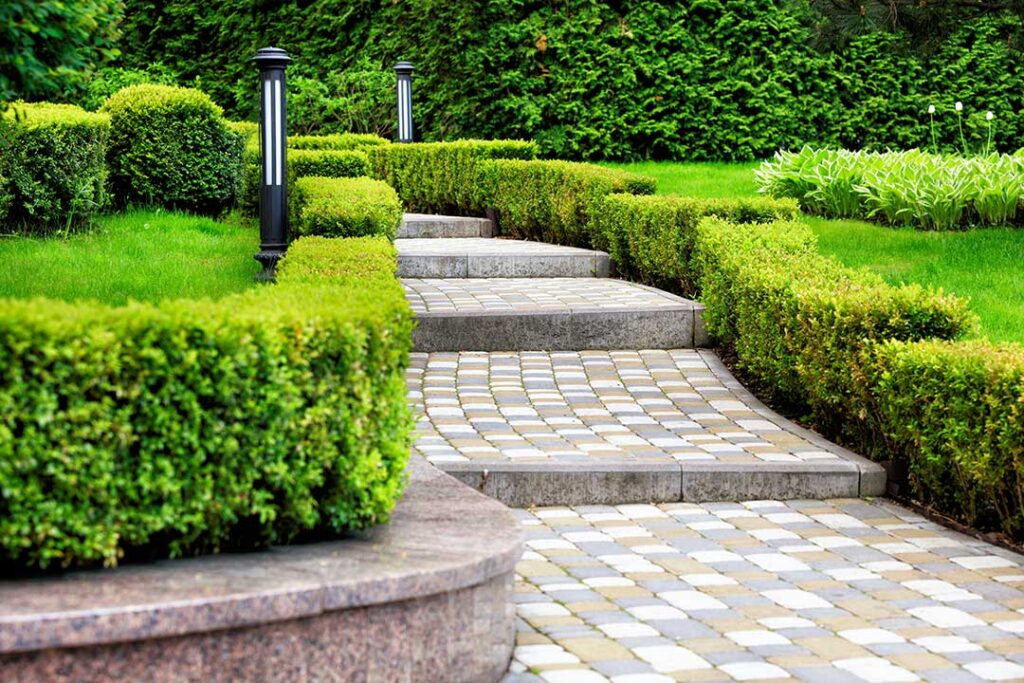
Privacy is a common goal, especially given the mixture of traditional neighborhoods and newer developments. Strategic planting of hedges, shrubs, or clusters of small trees can shield decks, patios, and windows without building fences that stand out or require city permits. Examples include:
- Mixing evergreen and deciduous varieties for year-round coverage
- Layering heights, with taller species at the back and flowering shrubs in front
- Opting for columnar or upright trees in limited spaces, such as narrow side yards
Thoughtful placement can increase both privacy and visual interest from the street, a balance many in Rochester Hills seek as housing density changes.
Is Smart Technology Influencing Local Landscaping?
New technology is finding its way into area landscapes, especially irrigation automation and low-voltage lighting. Some homeowners add programmable sprinkler systems or weather-responsive controllers to manage watering, which is especially useful for busy families and for supporting new plantings during hot spells. Solar-powered path lights and Wi-Fi-enabled LED fixtures are used for both security and to accent night-time curb appeal, often installed in front yards, along walkways, or around patios.
Tech-savvy updates are often chosen for their convenience and ability to save water or energy, rather than purely for trendiness.
What Seasonal Factors Shape Local Landscaping Choices?
Michigan’s distinct seasons have a major impact on landscaping. Many residents prioritize plants and hardscapes that offer interest year-round. For instance:
- Ornamental grasses and evergreen shrubs add winter structure
- Perennials with long bloom times are selected for extended color from spring through fall
- Durable patio materials withstand repeated freeze-thaw cycles without cracking
- Raised beds thaw and drain quickly in spring, helping gardeners start earlier
Some residents install snow-melt systems under driveways or walkways, but such features are still uncommon. Instead, most design their spaces for easy snow removal and resilience to heavy rains or sudden temperature drops.
How Are Water Features Evolving?
Water features remain popular but are usually scaled for manageability. Reflecting pools, small fountains, or bubbler rocks deliver the sensory benefits of water—sound and movement—without the work of traditional ponds. These features are sized for Rochester Hills yards and constructed with energy-efficient pumps. Placement near seating areas or main entryways is common, allowing enjoyment during daily routines, not just special occasions.
What Common Missteps Do Homeowners Make With Modern Landscaping?
One frequent misstep is underestimating maintenance needs. Some new materials still require seasonal care, and all plantings need attention during establishment. Another is overloading small yards with too many trends, leading to crowded or incoherent designs.
Residents occasionally overlook local ordinances regulating fencing heights, setback distances, or types of allowable plantings near sidewalks and streets. Checking these guidelines before redoing front yards saves significant frustration later.
Coordinating landscape changes with a home’s appearance and neighborhood fabric remains important. Integrating trends thoughtfully results in attractive, enduring, and usable outdoor spaces for every season.