

 See My Latest Article on HelloNation
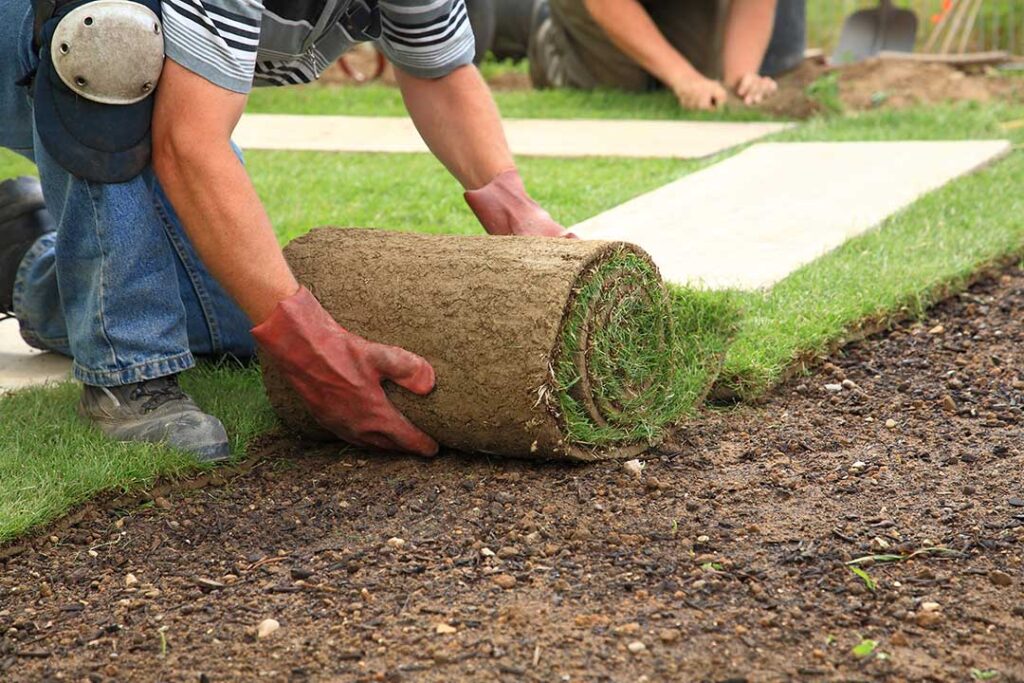
Brown areas can develop on a lawn for many different reasons, including drought, compacted soil, pet urine, insects, disease, and winter damage. The fastest way to solve the problem is to study the patch’s shape, location, timing, and surrounding grass before adding fertilizer, pesticides, or extra water.
Are brown patches caused by drought or poor watering?
If the entire lawn looks dull, feels dry, or shows footprints that remain visible, drought stress is a likely cause. In Rochester Hills, cool-season grasses may lose color during hot, dry stretches, especially in exposed yards with shallow soil or strong afternoon sun.
Drought-related browning often appears first in:
- Sloped areas where water runs off
- Lawn edges near pavement
- Areas beneath trees that compete for moisture
- South- or west-facing sections
- Soil that is compacted or shallow
Check the soil several inches below the surface. If it is dry and difficult to penetrate, water slowly and deeply rather than applying frequent, light sprinklings. Early-morning watering allows grass blades to dry during the day and reduces the length of time the lawn remains wet overnight.
Dormant grass may turn brown but remain alive. Test a small section by gently pulling on the crowns, the pale stems at the base of the grass. Living plants usually remain firmly anchored and may recover when regular moisture returns. Completely dead grass pulls away easily and will require reseeding or replacement.
What do circular brown patches usually mean?
Round or irregular patches may indicate a turfgrass disease, but shape alone is not enough to confirm the diagnosis. Summer diseases become more likely during warm, humid weather when grass remains wet for long periods.
Brown patch disease commonly produces tan or brown circles that range from several inches to several feet across. It is more likely in lush grass that has received excessive nitrogen fertilizer, frequent irrigation, or nighttime watering. Tall fescue and perennial ryegrass are especially susceptible, although other cool-season grasses can also be affected.
Look for these clues:
- A circular or spreading patch
- Thin, collapsing grass rather than uniformly dry blades
- A gray, brown, or dark border
- Fine white fungal growth on dew-covered grass in the morning
- New patches appearing after humid weather
Another disease, summer patch, often affects Kentucky bluegrass and fine fescue during hot weather. It may create brown rings, crescents, or patches with a small area of green grass in the center. Disease symptoms can resemble drought or insect injury, so avoid treating based only on appearance.
To reduce disease pressure, mow at the appropriate height for the grass type, avoid excessive nitrogen during summer, improve drainage where possible, and water early enough for the foliage to dry. Removing no more than one-third of the grass blade during a mowing session also reduces stress.
Could grubs or other insects be responsible?
Insect damage usually causes thinning, loose turf, or areas that can be lifted from the soil. Grubs feed on grass roots below the surface, and damaged turf may roll back like a loose carpet. Skunks, raccoons, and birds digging in the lawn can create additional disturbance while searching for them.
Check a brown area by cutting three sides of a small square and folding the turf back. Examine the soil and roots rather than simply counting insects at the surface. A few grubs do not automatically mean treatment is needed. The seriousness depends on the type of grub, the amount of root injury, and whether the turf is actually declining.
Other insects, including surface-feeding caterpillars, can produce irregular thinning or small brown areas. Look for clipped grass blades, fine webbing, or small larvae near the soil surface in the evening.
Avoid applying an insecticide unless the cause has been reasonably identified and the product is labeled for that pest and use site. Unnecessary treatment can harm beneficial organisms without correcting drought, compaction, or disease problems.
Why does grass turn brown near sidewalks, driveways, or trees?
Heat and reflected sunlight from pavement can dry nearby soil faster than the rest of the yard. Salt residue from winter deicing materials may also injure grass along paved areas. Symptoms may appear as narrow strips, scattered patches, or browning that follows the edge of a walkway.
Trees create a different challenge. Their roots compete with turf for water, while dense shade limits the grass’s ability to produce energy. Grass beneath mature trees may remain thin even when it receives adequate rainfall.
Where salt exposure is suspected, flush the soil thoroughly with clean water when the ground is unfrozen and drainage allows. Avoid piling snow containing deicing material onto lawn areas. Where shade and tree-root competition are persistent, a shade-tolerant groundcover or a mulched area may perform better than turfgrass.
Can dog urine create a brown spot?
Yes. Dog urine can produce a small yellow or brown patch, often surrounded by a darker green ring. The concentrated nitrogen in the urine may burn the grass in the center while encouraging extra green growth around the edge.
Pet-related spots are often:
- Small and roughly circular
- Scattered along a regular walking route
- More noticeable during dry weather
- Surrounded by unusually green grass
The affected area may recover if the damage is mild and the lawn receives adequate moisture. Dead grass can be raked out and reseeded during a suitable growing period. Changing the location where pets repeatedly use the lawn may prevent the same pattern from returning.
What should be done after snow melts?
Brown or matted grass in early spring may result from snow mold, winter injury, or extended moisture beneath snow. In Rochester Hills, lawns can emerge from winter flattened, gray, tan, or patchy, particularly where leaves remained on the turf or snow was piled for long periods.
Rake lightly once the lawn surface is dry enough to avoid creating muddy footprints. This lifts matted blades and improves air movement. Do not aggressively rake wet soil, because that can damage crowns and compact the surface.
Many light patches fill in as the lawn resumes growth. If areas remain bare after several weeks of active spring growth, remove dead material, loosen the surface, add a thin layer of quality soil if needed, and reseed with a grass mixture suited to the site’s sun and drainage.
How do soil compaction and thatch contribute?
Compacted soil restricts roots, water movement, and oxygen. Brown patches may appear in high-traffic corridors, near play areas, or wherever vehicles and heavy equipment have crossed the lawn. Water may puddle on the surface or run off instead of soaking in.
Core aeration can help when the soil is compacted, especially during the active growth periods of spring or early fall. Aeration is less useful when the underlying problem is poor drainage, heavy shade, or excessive watering.
Thatch is a layer of living and dead plant material between the green blades and the soil. A thin layer is normal, but a thick, spongy layer can hold moisture near the surface and interfere with rooting. Remove thatch only when it is excessive; routine aggressive dethatching can injure a healthy lawn.
When should a brown patch be tested or investigated further?
A simple observation is usually enough for drought, pet urine, or obvious traffic damage. More investigation is worthwhile when patches continue spreading, return in the same pattern each year, or do not respond to corrected watering.
Before taking action, record:
- The date the patch appeared
- Recent rainfall and irrigation
- Mowing height and fertilizer applications
- Whether the area is shaded or compacted
- Grass type, if known
- Evidence of insects, animal digging, or fungal growth
A soil test can identify problems with pH or nutrient availability, but it will not diagnose every lawn disease. For persistent or widespread damage, a turfgrass diagnostic service may be appropriate, particularly when pesticide use is being considered. Correct identification prevents treating the wrong cause and often leads to a simpler solution.