

 See My Latest Article on HelloNation
What Does “Native Plant” Mean in the Rochester Hills, MI Area?
In this region, a native plant is one that grew here before widespread European settlement, adapting over centuries to the area’s soil, climate, and ecological relationships. These plants form the backbone of original ecosystems, supporting local birds, pollinators, and beneficial insects. Rochester Hills’s native species are uniquely suited to handle seasonal swings, from freezing winters to humid summers, and variable rainfall.
Why Should Residents Consider Native Plants?
Native plants offer several practical benefits for local homeowners:
- Require less watering once established, due to adaptation to regional precipitation patterns
- Typically need less fertilizer and fewer pesticides, as they resist most local pests and diseases
- Provide essential habitat for songbirds, butterflies, bees, and other wildlife
- Can help reduce stormwater runoff and erosion
Choosing plants that belong here often means less long-term maintenance, healthier gardens, and a more resilient landscape through harsh seasons.
How Can You Identify Which Plants Are Native to the Area?
Start with Michigan-specific plant resources. Regional guides from state universities, arboretums, or conservation agencies can help. Look for local field guides or searchable plant databases focused on native flora in southeast Michigan. Residents sometimes mistakenly assume any perennial for sale at a garden center is suitable or local—many common landscape favorites are actually non-native, and some can even become invasive.
Simple steps:
- Check Michigan plant society lists or extension program recommendations
- Notice what’s thriving in local parks, woodlands, and prairies that are less-manicured
- Avoid plants sometimes labeled “native” but only suited for other U.S. regions
What Should Homeowners Consider Before Selecting Native Plants?
The best plant choices depend on the specific conditions in your yard. Consider:
- Amount of sunlight (full sun, part sun, or shade areas)
- Soil type (sandy, loamy, or clay-heavy is common; perform a simple jar soil test if unsure)
- Drainage patterns (wet spots after rain, or consistently dry ridges)
- Exposure to wind and winter salts (near driveways or neighborhood roads)
- Space available for mature plant sizes
Example: Dense clay soil is common in much of the city, and some beloved natives, like prairie dropseed or black-eyed Susan, tolerate it well, while others need sandier conditions.
Are There Common Misconceptions About Native Planting?
Many residents worry that native gardens look untidy or “wild.” Native planting can be formal or informal depending on your design approach. Grouping native species or using natural-looking borders can achieve a tidy appearance. Another misconception is that all natives thrive on neglect; while they are hardy, new plantings still need watering and attention during their first season or two.
Which Native Plants Are Well-Suited to the Rochester Hills Climate?
There’s a wide variety to fit different garden goals. For example:
- Sunny garden beds:
- Purple coneflower (Echinacea purpurea)
- Butterfly milkweed (Asclepias tuberosa)
- Prairie dropseed (Sporobolus heterolepis)
- Shady areas:
- Wild columbine (Aquilegia canadensis)
- Woodland phlox (Phlox divaricata)
- Solomon’s seal (Polygonatum biflorum)
- Rain gardens or seasonal wet spots:
- Blue flag iris (Iris versicolor)
- Cardinal flower (Lobelia cardinalis)
- Swamp milkweed (Asclepias incarnata)
Research each species’ ultimate height, bloom time, and spread before planting.
How Can You Design with Native Plants for Year-Round Interest?
Vary plant selection for visual and ecological diversity. Group plants by height and flowering time to ensure color and structure during all growing months. Many natives provide multi-season appeal:
- Wild bergamot offers summer color and aromatic foliage
- Little bluestem grass turns rusty-orange in fall
- Winter seed heads of coneflower and black-eyed Susan add texture and feed birds
Adding a mix of grasses and flowering perennials helps support pollinators from spring to frost.
What Are Some Tips for Sourcing and Planting Native Species Locally?
It’s best to find plants or seeds that have been locally grown, as they’re already acclimated to the area’s unique climate. Look for labels verifying Michigan origin or “genetically local” sources, if possible. While nurseries and plant sales can be convenient, always confirm the plant’s origin—not all items billed as “native” are ideally suited to southeast Michigan.
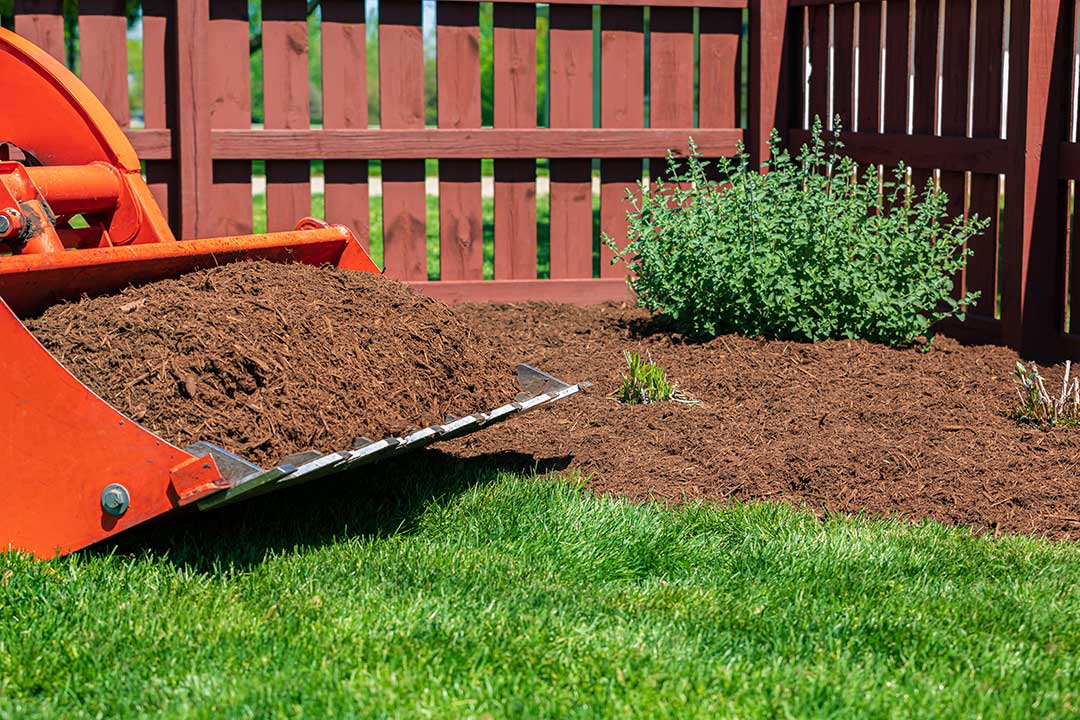
Planting is easiest in early fall or spring. Mulch newly planted beds lightly to hold moisture and suppress weeds, while allowing room for seedlings to emerge. Native plants generally need less fertilizer—over-fertilizing can promote floppy growth and reduce habitat value.
How Can Gardening with Natives Benefit Both Homeowners and the Broader Community?
Native landscapes positively impact local water quality by filtering stormwater and minimizing runoff. They strengthen connections between gardens and nearby natural areas, providing food sources and corridors for pollinators and birds. Over time, expanding the use of native plants can foster more resilient, beautiful, and sustainable neighborhoods while supporting local biodiversity.