
 See My Latest Article on HelloNation
Which landscape upgrades provide the most value for the money?
The most cost-effective landscape improvements usually improve appearance, drainage, usability, or plant health without requiring a complete redesign. In Rochester Hills, MI, that often means working with existing trees, improving soil, defining planting areas, and choosing plants that can handle snowy winters, wet springs, and summer heat.
A practical starting point is to divide the property into three categories:
- Keep: Healthy trees, established shrubs, useful shade, and well-draining planting beds
- Improve: Thin mulch, compacted soil, overgrown edges, bare lawn areas, or weak drainage
- Remove or replace: Dead plants, invasive spreaders, damaged edging, and features that create recurring maintenance
This approach helps direct limited funds toward changes that will remain useful for several seasons.
Can mulch make a yard look better without a large expense?
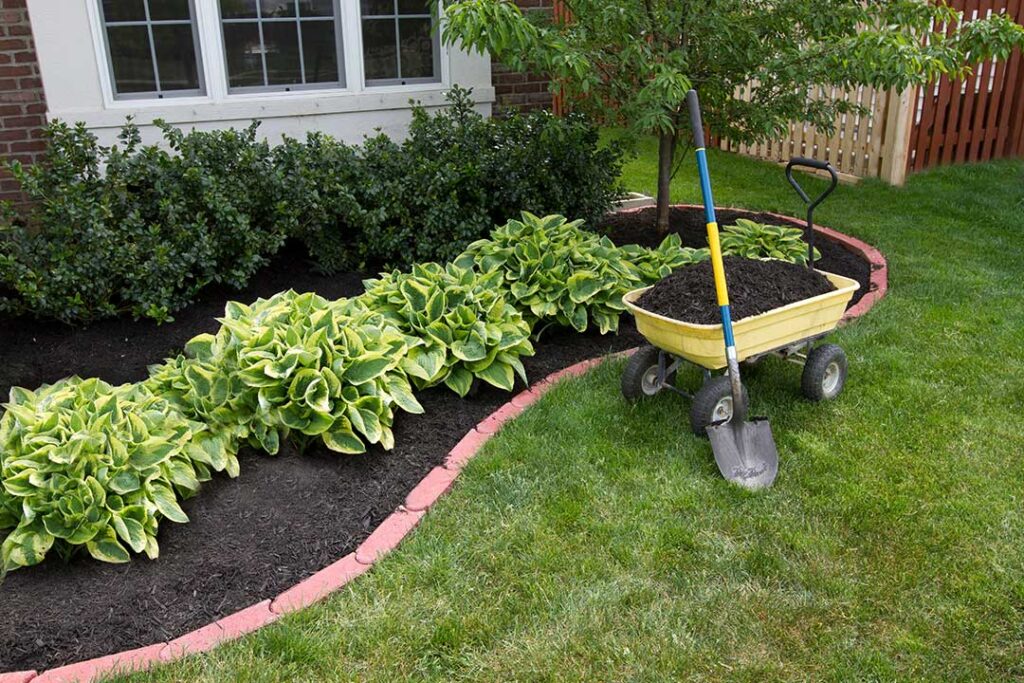
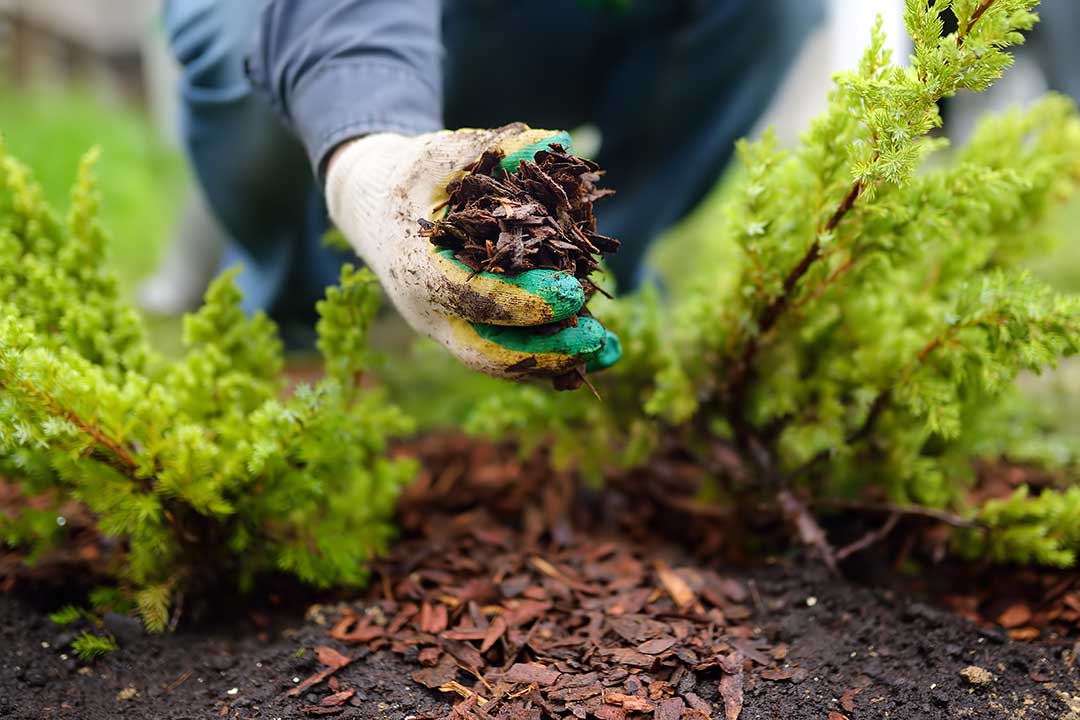
Yes. Fresh mulch is one of the quickest ways to make planting beds look orderly while helping retain soil moisture and reduce weed growth. A layer about 2 to 3 inches deep is generally adequate for most ornamental beds.
Before adding mulch:
1. Pull visible weeds.
2. Loosen compacted soil near the surface.
3. Keep mulch several inches away from tree trunks and shrub stems.
4. Smooth the edges of the bed so the landscape looks intentional.
Avoid creating a deep mound around trees. Excess mulch can hold moisture against the bark and interfere with normal root function. If existing mulch is still in good condition, simply raking it evenly may be more economical than replacing it.
Natural wood mulch is often practical for larger beds, while shredded leaves can be useful as a low-cost soil amendment when applied in a thin, even layer. Grass clippings should not be spread in thick piles because they can mat together and create unpleasant odors.
What low-cost planting changes have the greatest visual effect?
Grouping plants in larger, simple masses usually looks more polished than scattering many individual plants throughout the yard. A narrow bed with repeated plants can create more visual structure than a crowded collection of unrelated specimens.
Budget-friendly planting ideas include:
- Dividing mature perennials in spring or early fall
- Using three or five plants of the same variety instead of many single plants
- Filling gaps with dependable ground covers suited to the amount of sunlight
- Adding one small ornamental tree or shrub as a focal point rather than several expensive features
- Reusing healthy plants by relocating them to areas with better light or drainage
Choose plants according to the site rather than appearance alone. Observe whether a location receives full sun, part shade, or deep shade. Also check whether the soil stays wet after rain or dries quickly. Plants that match those conditions usually need less replacement, watering, and corrective care.
For local gardens, native and well-adapted plants can be useful choices because they are generally better suited to regional weather patterns and seasonal changes. Native plants can also support pollinators when flowering periods are spread from spring through fall.
How can a homeowner improve drainage without installing an expensive system?
Small drainage improvements often begin with correcting the flow of surface water. Gutters should discharge away from the foundation, and downspout extensions should not direct concentrated water toward a neighbor’s property, sidewalk, or low spot beside the house.
A shallow planting depression, sometimes called a rain garden, can help collect runoff from a roof or paved area when the location is suitable. It should be placed away from the foundation and shaped so water can soak in rather than remain stagnant for long periods.
A modest project might include:
- Removing a small amount of turf from a naturally low area
- Mixing compost into compacted soil where appropriate
- Adding moisture-tolerant native plants
- Covering exposed soil with a light layer of mulch
- Directing water gently into the planting area rather than creating an eroding channel
Before digging, confirm the location of underground utilities. Avoid changing drainage in a way that sends water onto adjacent properties or blocks public drainage routes. Persistent standing water, foundation seepage, or erosion may require more careful evaluation because a low-cost surface adjustment may not solve the underlying problem.
Is replacing part of the lawn a good way to reduce costs?
Replacing lawn can reduce mowing and watering, but only if the replacement is suited to the site. The most practical areas to convert are often narrow side strips, steep slopes, shady corners, or places where grass repeatedly becomes thin and muddy.
Possible alternatives include:
- Shade-tolerant ground covers
- Low-maintenance perennial beds
- A small native plant garden
- A defined sitting area using compacted gravel or permeable materials
- Leaf-covered planting zones beneath established trees
Avoid removing large sections of lawn without a plan for controlling weeds and erosion. A gradual conversion is often easier to manage. Start with one difficult area, prepare the soil, add plants at appropriate spacing, and expand only after the first section is established.
For remaining turf, mowing higher, sharpening mower blades, and leaving finely chopped clippings in place can support healthier grass without adding much expense. Water deeply and less frequently rather than applying small amounts every day.
What can improve curb appeal without adding many new plants?
Landscape definition often matters more than plant quantity. Clean bed lines, repaired edging, trimmed shrubs, and an unobstructed walkway can make an established yard appear significantly more finished.
Low-cost visual improvements may include:
- Redrawing curved bed edges with a garden hose before cutting
- Removing grass that has grown into planting beds
- Pruning dead, crossing, or damaged branches
- Cleaning leaves and debris from walkways and patios
- Painting or repairing simple garden structures where appropriate
- Adding a small area of contrasting foliage near the entry
Pruning should be done with the natural shape of the plant in mind. Cutting every shrub into a tight geometric form can create more work and may remove flower-producing wood. Dead or damaged branches are usually the safest starting point.
Which upgrades should be completed first in a seasonal climate?
Drainage, tree health, and soil conditions should generally come before decorative additions. A new planter or ornamental feature will not perform well if water problems, compacted soil, or excessive shade remain unresolved.
A practical seasonal sequence is:
- Early spring: Clean beds, inspect winter damage, divide perennials, and address drainage
- Late spring: Plant after severe frost risk has passed and soil is workable
- Summer: Mulch, water new plants deeply, and control weeds before they set seed
- Fall: Plant hardy trees and shrubs, divide suitable perennials, and remove diseased plant material
- Winter: Plan bed changes, compare plant requirements, and identify areas that repeatedly fail
Snow, ice, freeze-thaw cycles, and spring saturation can damage poorly placed edging and shallow-rooted plants. Keeping plantings slightly back from areas where snow is piled can reduce breakage and salt exposure.
How can a limited landscape budget be managed effectively?
Set a project limit before purchasing materials, then reserve part of the budget for soil improvement, mulch, watering, and replacement plants. Decorative items are easier to postpone than basic site preparation.
A useful priority order is:
1. Correct safety or drainage concerns.
2. Protect established trees and healthy shrubs.
3. Improve soil and bed preparation.
4. Define edges and repair worn paths.
5. Add plants in groups.
6. Finish with decorative features.
Avoid buying plants solely because they are discounted or in bloom. Check mature size, sunlight needs, moisture preferences, winter hardiness, and likely maintenance before planting. A smaller number of well-matched plants is usually less expensive over time than repeatedly replacing plants that struggle.
When does a budget project require extra caution?
Tree removal, work near utility lines, unstable retaining walls, steep slopes, significant erosion, and drainage affecting foundations are not good candidates for casual trial and error. These conditions can involve safety hazards or property damage beyond the cost of the landscape itself.
For ordinary improvements, careful observation, gradual changes, and plant selection based on actual site conditions can keep costs manageable while making the yard more attractive and functional.