
 See My Latest Article on HelloNation
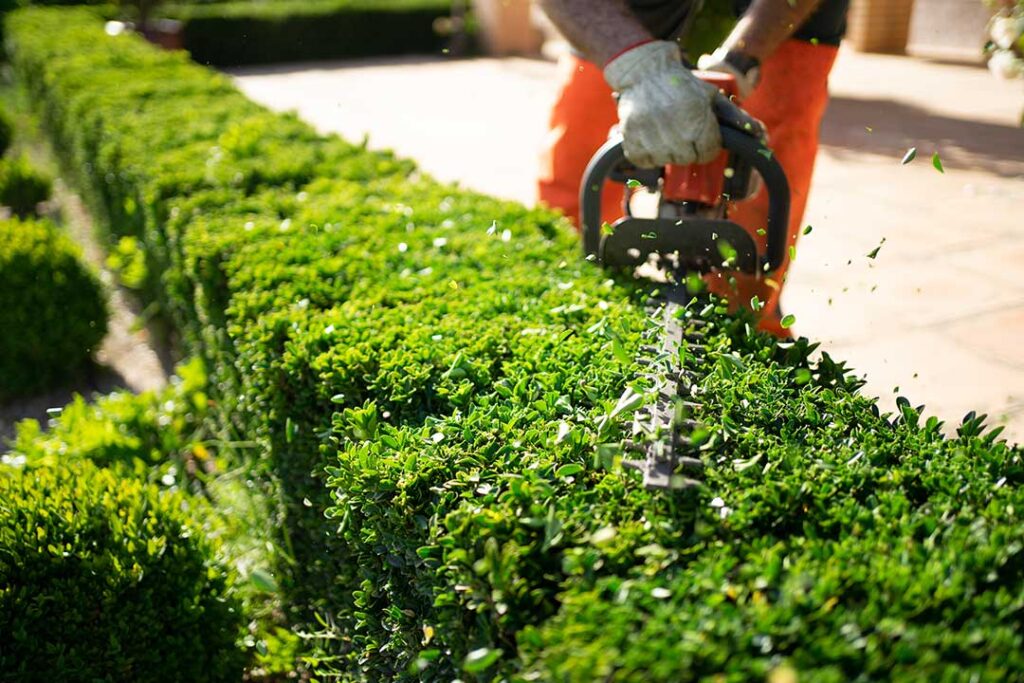
Pruning shrubs and trees effectively starts with understanding why a cut is being made. The main goals are to remove damaged growth, improve structure, control size, increase light and air movement, and maintain the plant’s natural form. Pruning at the wrong time or removing too much can create weak growth, disease problems, or unnecessary stress.
When is the best time to prune shrubs and trees?
The best pruning season depends on the plant and the reason for pruning. In Rochester Hills, most routine pruning is easiest to plan during late winter, early spring, or after flowering, depending on the species.
Late winter is often a good time for many established deciduous trees because their structure is easy to see without leaves. It is also a practical period for removing dead, broken, or crossing branches before spring growth begins.
Spring-flowering shrubs should usually be pruned shortly after they finish blooming. Their flower buds often develop on older branches, so pruning them during late winter may remove many of the season’s blossoms.
Summer-flowering shrubs generally bloom on new growth and can often be pruned in late winter or early spring before new shoots develop. Some shrubs, such as hydrangeas, vary by type, so identifying the plant before making major cuts is helpful.
Avoid heavy pruning during extended periods of heat, drought, or severe cold. Fresh cuts can increase stress, especially for newly planted trees, trees growing in compacted soil, or shrubs exposed to winter salt and strong winds.
What should be removed first?
Begin with clearly damaged, dead, or diseased branches. These cuts improve appearance and reduce the chance that problems will spread through the plant.
Next, look for branches that:
- Rub or scrape against another branch
- Cross through the center of the canopy
- Grow inward toward the trunk
- Form narrow, weak angles
- Block walkways, windows, signs, or utility access
- Produce excessive suckers or water sprouts
Do not remove branches simply because they are long or unattractive. A tree or shrub’s natural shape usually provides better long-term structure than a heavily shortened, artificially rounded form.
For trees, preserve branches that are well-spaced around the trunk and distributed vertically through the canopy. Removing too many major limbs from one side can create an uneven crown and increase the risk of wind damage.
How should a branch be cut?
Correct cut placement helps the plant seal over the wound more effectively. For a living branch, make the cut just outside the branch collar, which is the slightly swollen area where the branch joins the trunk or larger limb. Do not cut flush against the trunk, and do not leave a long stub.
Large branches should be removed with a three-cut method:
- Make a shallow undercut several inches away from the final cut.
- Make a top cut slightly farther out to remove most of the branch weight.
- Make the final cut just outside the branch collar.
This method prevents the branch from tearing bark down the trunk as it falls.
For small branches, use clean, sharp bypass pruners. Loppers are appropriate for somewhat larger branches, while a pruning saw is safer for limbs too thick for hand tools. Tools should be kept clean and sharp so cuts are smooth rather than crushed or ragged.
Wound paint and pruning sealers are generally unnecessary for routine cuts. They can trap moisture or interfere with the plant’s natural wound response.
How much can be pruned at one time?
For established trees, removing no more than about 20 to 25 percent of the live crown in a single year is a commonly used general limit. Young, stressed, recently transplanted, or unhealthy trees may tolerate much less.
Shrubs can sometimes be reduced more substantially, but the amount depends on the species. Cutting every branch back to the same height can create dense outer growth with weak, shaded interior stems. This is why selective thinning is often preferable to repeated shearing.
A useful approach is to step back frequently while pruning. Remove one branch at a time, then reassess the plant’s shape. If substantial cuts are needed to correct a tree’s structure, spreading the work over multiple seasons is often safer than making a drastic change at once.
What is the difference between thinning, heading, and rejuvenation pruning?
Thinning removes selected branches at their point of origin. It opens the canopy while preserving the plant’s natural outline and is usually the best method for mature trees and many shrubs.
Heading cuts shorten a branch back to a bud or side branch. They stimulate new growth near the cut, but repeated heading can create dense clusters of weak shoots. Topping, which cuts large tree limbs back to stubs, is especially harmful because it encourages fast, poorly attached regrowth and leaves large wounds.
Rejuvenation pruning is used for certain multi-stemmed shrubs that have become old, crowded, or unproductive. The oldest stems are removed at ground level, often over one to three seasons. This method can renew the shrub without cutting every stem to the same height.
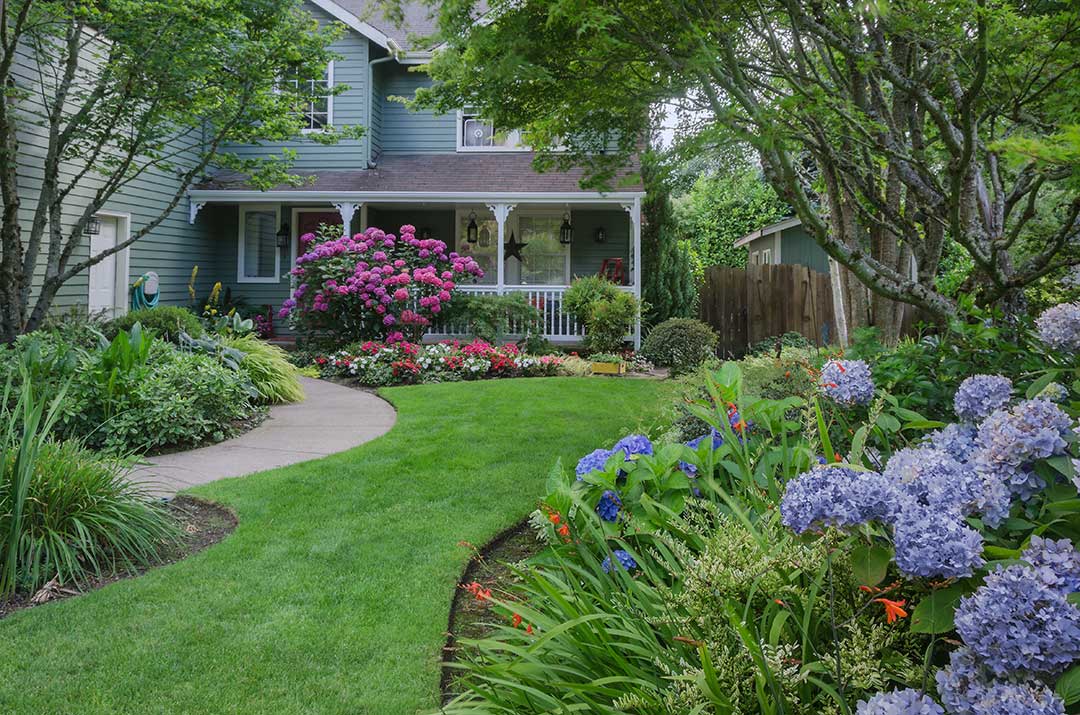
Not every shrub responds well to severe renewal pruning. Evergreen shrubs, plants with a single main stem, and species that do not regenerate readily from older wood may be damaged by this approach.
How should young trees be pruned?
Young trees benefit from structural pruning more than from aggressive size reduction. The aim is to develop one strong central leader when appropriate, establish sturdy permanent branches, and remove competing stems or poorly attached growth.
Avoid removing every low branch immediately. Lower limbs help the trunk develop strength and increase trunk diameter. They can be removed gradually as the tree matures and clearance becomes necessary.
Branches with narrow, V-shaped attachments are more likely to split than branches with wider angles and a strong branch union. Correcting these issues while the tree is young requires smaller cuts and causes less stress than waiting until the limbs become large.
Newly planted trees should not receive heavy pruning unless branches are broken, dead, or structurally defective. Their first priority is establishing roots.
Which pruning mistakes are common in home landscapes?
A frequent mistake is pruning shrubs into tight balls or squares year after year. Shearing may maintain a formal appearance, but it can produce a thick outer shell of leaves and bare, shaded growth inside.
Another problem is removing the tree’s top or cutting large limbs back to stubs. This does not create a smaller, safer tree. Instead, it often results in rapid regrowth that is weakly attached.
Other avoidable mistakes include:
- Cutting during active insect or disease outbreaks
- Leaving long branch stubs
- Making flush cuts into the trunk
- Removing too much live growth in one session
- Using dull tools
- Ignoring overhead wires or unstable limbs
- Pruning flowering shrubs without identifying whether they bloom on old or new wood
In the region’s neighborhoods, snow and ice can add weight to branches, while spring storms may expose weak unions. Corrective pruning before structural problems become severe is generally easier than removing large damaged limbs later.
When is pruning beyond normal household work?
Routine pruning of small shrubs and low branches can often be handled with basic equipment and careful technique. Larger trees require more caution, particularly when branches are heavy, unstable, near buildings, over sidewalks, or close to overhead utility lines.
Do not climb a tree with a chainsaw, cut a limb that could strike a structure, or work near energized lines. Hazardous trees, storm-damaged limbs, and large removal cuts require specialized equipment and safety procedures.
Good pruning is selective rather than severe. Identify the purpose of each cut, preserve the plant’s natural structure, and make clean cuts at the correct location. With seasonal timing suited to the plant, these practices help trees and shrubs remain healthier and more resilient through the changing conditions of Rochester Hills.