

 See My Latest Article on HelloNation
What Is Edible Landscaping and Why Try It Here?
Edible landscaping simply means designing yards and outdoor spaces using plants that provide food as well as beauty. In Rochester Hills, MI, the concept appeals to residents who want more from their lawn than just grass and ornamentals. With the city’s four-season climate, residents can enjoy harvesting fruits, vegetables, and herbs alongside classic landscape features—all while making efficient use of their yards.
Most edible landscapes blend fruit trees, berry bushes, perennial vegetables, annual crops, herbs, and even edible flowers with traditional lawn, shrubs, and decorative beds. This approach can work on properties of any size, from larger corner lots to compact subdivision backyards.
Which Edible Plants Grow Well in Rochester Hills?
Many residents ask which edible plants will actually thrive in local conditions. Rochester Hills falls in USDA Zone 6a, meaning winters get cold but not extreme, and summers are warm and often humid.
Plants that are well-suited include:
- Apple, pear, cherry, and plum trees (look for disease-resistant, cold-hardy varieties)
- Blueberries, raspberries, and blackberries
- Grapevines (table grapes do well with some protection)
- Elderberries and serviceberries
- Asparagus, rhubarb, and horseradish (perennial vegetables that return yearly)
- Kale, Swiss chard, lettuce, carrots, tomatoes, peppers, bush beans, zucchini (annual vegetables)
- Culinary herbs like chives, oregano, mint, rosemary, thyme, and basil
- Edible flowers such as nasturtium, violets, and calendula
Soil quality, sunlight, and rainfall patterns mean some plants will need careful placement or light amendments to perform their best. Fruit trees, for example, do best in locations with full sun and drainage away from low, wet spots.
How Can Residents Start Small with Edible Landscaping?
It’s common to want to experiment before transforming an entire yard. Starting small avoids overwhelm and builds confidence:
- Incorporate one or two blueberry bushes into existing beds
- Replace decorative groundcover with creeping thyme or strawberry plants
- Plant herbs along a walkway or in pots near the kitchen door
- Add a dwarf fruit tree where a flowering one might go
- Mix lettuce or kale among annuals in sunny areas
Plan around available sun and proximity to water. Morning sun is ideal for most vegetables, while some shade in late afternoon can help reduce watering needs.
Are There Design Tips to Keep Edible Yards Attractive?
Many residents worry about their property’s curb appeal. Edible landscaping can be orderly and visually appealing with thoughtful design:
- Use structured beds with clear borders (stone, brick, or wood edging)
- Alternate heights and foliage textures by mixing tall plants (like tomatoes) with low herbs or groundcovers
- Plant in blocks or curves rather than long single rows
- Include perennial shrubs or small fruit trees to anchor planted areas
- Leave room for pathways and access to harvest
- Use mulch to maintain neatness and suppress weeds
Adding perennial flowers or decorative grasses for color and movement will keep the overall space inviting, even when vegetables are not in season.
What Common Misconceptions or Challenges Should Beginners Avoid?
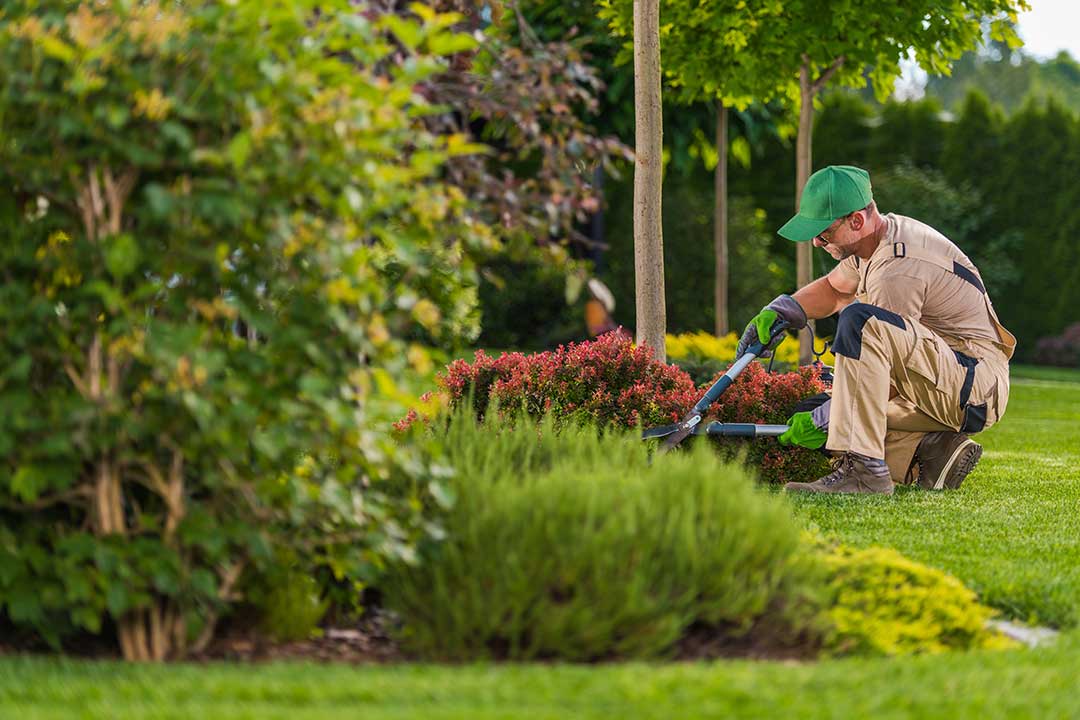
Some local gardeners expect instant results or think edible landscapes demand constant maintenance. In reality, most established edible plantings blend into the landscape and require no more work than conventional yards once set up.
Pitfalls to avoid include:
- Choosing plants poorly suited for the local climate (such as citrus or figs outside containers)
- Planting large fruit trees without considering mature size and shade casted on the yard
- Ignoring deer and rabbit browsing (netting, fencing, or repellents may be needed for certain crops)
- Underestimating water needs of fruiting crops in dry spells, particularly in sandy soils
- Overcrowding—spacing plants allows airflow, which limits disease
Starting with reliable perennial options, such as berries or herbs, provides frequent harvests with limited yearly effort.
How Should Residents Plan for Seasonal Care and Harvests?
Rochester Hills’ growing season typically runs from late April to mid-October, with frost possible before and after. Most edible landscapes perform best with some season-by-season attention:
- Spring: Prune fruit trees and berry bushes, prepare soil for vegetable planting, sow cool-season crops (lettuce, peas, kale)
- Early summer: Plant warm-weather crops (tomatoes, zucchini, peppers), mulch garden beds, stake taller plants
- Late summer: Monitor for pests, harvest berries and vegetables regularly
- Fall: Harvest root crops, cut back annuals, plant overwintering garlic or perennial herbs, apply winter mulch
Preserving the harvest by freezing, drying, or canning can stretch the supply of homegrown food into colder months.
Are There Local Regulations or Considerations for Edible Yards?
Locally, front-yard vegetable beds and edible landscaping are broadly accepted, but some neighborhood associations or city codes may regulate fence heights, tree placement near sidewalks, or compost bin locations. Residents should check guidelines specific to their subdivision or homeowners’ association if one exists, especially before removing established trees or building permanent garden structures.
Keeping planting beds tidy, paths clear, and plantings below sightlines for traffic improves neighbor relations and community appearance. Many edible plants—like strawberries or chives—are visually pleasing and blend well into traditional yards.
What Resources Help Beginners Learn More?
Several community groups, public gardens, and cooperative extension resources offer detailed planting calendars, soil testing, and plant recommendations tailored for local conditions. Reliable information on layout, pest management, and seasonal tips can be found through nonprofit gardening organizations, library events, and county extension offices—these sources are fact-based and not commercial.
Learning from others who have established edible landscapes in the city—either neighbors or community gardeners—is a practical way to gain site-specific knowledge and avoid common pitfalls.