

 See My Latest Article on HelloNation
What Should Residents Know Before Laying Sod in Rochester Hills, MI?
Laying sod is a popular way to achieve an instant green lawn, but preparation and timing are especially important in Rochester Hills, MI. Sod installation works best in spring or early fall, when temperatures are moderate and rainfall supports healthy rooting. Consider soil conditions common in the area, which range from sandy loam to clay, and check for any unevenness or drainage issues.
Sod offers fast results, but long-term success depends on careful groundwork. Local homeowners often ask about choosing the right sod type; cool-season grasses like Kentucky bluegrass or fescue perform well due to the city’s climate and seasonal temperature swings.
How Should You Prepare Your Yard for Sod?
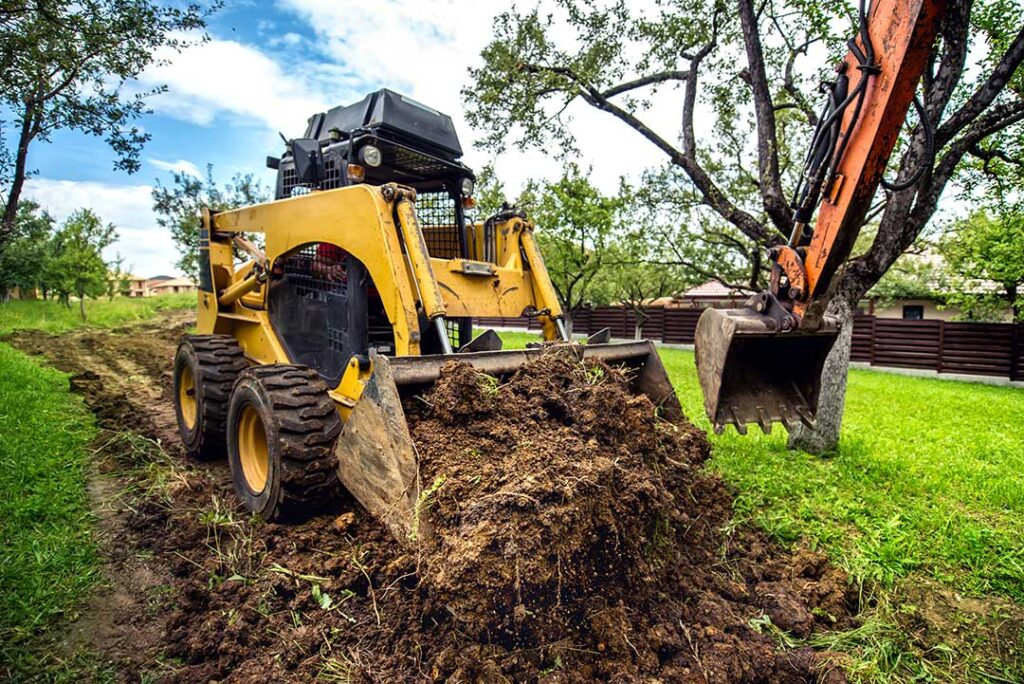
Before the new grass can grow, the site must be free of weeds, debris, and old turf. Begin by removing any existing grass using a sod cutter or shovel. It’s essential to get rid of roots and visible weeds, as these can compete with sod for nutrients.
Test the soil for pH and fertility; Rochester Hills’ soil sometimes leans acidic. Amend as needed to reach a slightly acidic to neutral pH (6.0–7.0). Spread a 2–3 inch layer of compost or topsoil if your soil is compacted, then till 3–4 inches deep to loosen the surface. This helps roots establish firmly and ensures water can penetrate.
Rake the soil smooth, breaking up any large clumps, and fill in low spots. The final grade should sit about an inch below driveways or sidewalks to allow for sod thickness. Lightly water the area and let it settle for a day if possible.
Commonly Overlooked Step: Residents sometimes skip removing rocks or construction debris. Even small pieces can hinder even rooting and spur uneven growth.
When Is the Best Time to Lay Sod in Rochester Hills?
The ideal periods for sod installation are late April through May and again from late August through September. These months have cooler temperatures and steady rainfall, which make it easier for sod to take root without heat stress.
Avoid laying sod during midsummer unless absolutely necessary, as hot, dry conditions can stress new sod despite frequent watering. Late fall installations may not allow for full rooting before winter, which can result in sod damage.
How Do You Lay Sod Properly?
Once all preparation is finished, begin laying sod immediately upon delivery. Sod should be laid the same day it arrives for best freshness and rooting.
Start along the longest, straightest edge (like a sidewalk or driveway). Unroll the first piece and press it down with your hands to eliminate air pockets. Stagger rows, much like brickwork, to avoid visible seams. Butt edges together closely, but don’t overlap—gaps will dry out, but overlaps may die off.
Trim corners and curves with a sharp utility knife for a snug fit around planting beds or walkways.
As you build up the lawn, avoid walking directly on freshly laid sod. Use planks or plywood to distribute weight if necessary, especially if the soil is soft or after rainfall.
Example Mistake: A common error is leaving gaps between pieces. Even small gaps can dry out rapidly, hindering the sod’s ability to thrive.
How Should Sod Be Watered After Installation?
New sod in the area requires consistent moisture to root successfully. Water immediately after installation, soaking the sod and soil beneath to a depth of 4–6 inches. For the first two weeks, water daily—early in the morning is best—to keep the roots and soil consistently moist, but not saturated.
After roots begin to take (you’ll notice resistance if you pull gently on a corner), switch to watering every other day, gradually reducing as the sod becomes established. Watch for runoff on slopes or low areas; if water pools, adjust your schedule or use shorter, more frequent watering periods.
Most lawns in Rochester Hills will need less water once cool-season rain patterns pick up, but monitor for dry patches during periods of low rainfall.
What’s the Best Way to Care for Newly Laid Sod?
After about two weeks, reduce watering frequency but increase the amount each time, encouraging deeper root growth. Avoid mowing until the grass reaches about 3–4 inches in height and has rooted firmly (test by tugging at the sod). Set the mower to a high setting for the first cut to reduce stress.
Do not apply fertilizer until sod has rooted and is actively growing, typically about 4–6 weeks after installation. If the soil test called for lime or other nutrients, wait until the sod is established to avoid burning tender roots.
Extra Tip: Keep foot traffic to a minimum until full rooting has occurred. Heavy use can cause seams to separate or the sod to settle unevenly.
Are There Local Factors to Consider When Laying Sod in the City?
Rochester Hills’ mix of older and newer neighborhoods means soil preparation might vary by address. Older areas may have more compacted soils, while new developments could contain more construction debris or subsoil. In either case, spending extra time on initial prep leads to better long-term results.
Local regulations do not typically restrict sod installation on private property, but be mindful of city watering schedules if they're in effect during drought alerts or peak demand periods.
What Problems Might Residents Encounter?
Some common issues after sod installation in the area include:
- Uneven settling due to improper grading, especially in yards with tree roots or recent construction
- Poor rooting if the soil is not adequately loosened or if watering is inconsistent
- Patchy browning, often caused by gaps between sod pieces or walking on new sod too soon
Most problems come down to skipping preparation steps, rushing installation, or inconsistent watering. Addressing these issues early helps avoid the need for time-consuming repairs later in the growing season.