
 See My Latest Article on HelloNation
What Lawn Diseases Commonly Affect Rochester Hills, MI Lawns?
Residents in Rochester Hills, MI most frequently encounter lawn diseases like dollar spot, red thread, leaf spot, and snow mold. These issues develop due to the area’s combination of humid summers, cool nights, and variable spring moisture. Each disease creates unique symptoms that can harm even well-cared-for lawns.
- Dollar spot: Small, tan patches with reddish-brown borders that merge over time
- Red thread: Pinkish, threadlike structures and circular patches in late spring and fall
- Leaf spot: Purplish to brown lesions that cause thinning and browning
- Snow mold: Matted, straw-colored circles after snow melts
Identifying these issues early helps prevent widespread damage.
How Do Local Weather and Lawn Care Habits Impact Disease Risk?
The humid, sometimes volatile climates of Rochester Hills create prime conditions for lawn diseases, particularly during wet springs and warm, damp summers. Lawns in shaded or poorly drained areas are especially prone to issues. Overwatering, frequent evening irrigation, and mowing too short all increase lawn disease risk.
Lawns are healthiest when:
- Watered in the early morning (not at night)
- Mowed with sharp blades at a recommended height for the grass type
- Fertilized in moderation, according to seasonal needs
- Raked to remove grass clippings if disease is active
Simple changes in routine can reduce the chance of disease outbreaks.
How Can Residents Accurately Spot and Diagnose Common Lawn Diseases?
Spotting lawn disease means looking for patterns and inconsistencies rather than isolated brown patches. For example, red thread often creates pinkish clusters with fine, hair-like threads, while dollar spot produces sunken, circular spots. Leaf spot starts as small lesions but quickly expands when paired with humid weather or poor airflow.
A few diagnostic steps:
- Inspect patch shape: circular, irregular, or merging spots
- Note the color of affected grass and any visible growth on leaf blades
- Check if damage appears after snowmelt (suggesting snow mold), or during humid periods (dollar spot/red thread)
- Compare new symptoms with healthy lawn areas
If unsure, bringing a sample to a county extension office can help with identification.
What Preventive Measures Are Effective Against Lawn Diseases Here?
Basic preventive steps—adapted to Rochester Hills’ climate—focus on reducing lawn stress, increasing airflow, and managing moisture.
- Practical prevention advice includes:
- Mow grass at 3–3.5 inches, never removing more than one-third of blade length
- Use a sharp mower blade to limit tissue wounding
- Water deeply but infrequently (aim for about 1 inch per week), always in the early morning
- Avoid nitrogen-heavy fertilizers during warm, humid periods when diseases are active
- Rake heavily matted leaves or debris, especially in the fall and after snow melts
- Aerate compacted areas to help roots breathe and stay vigorous
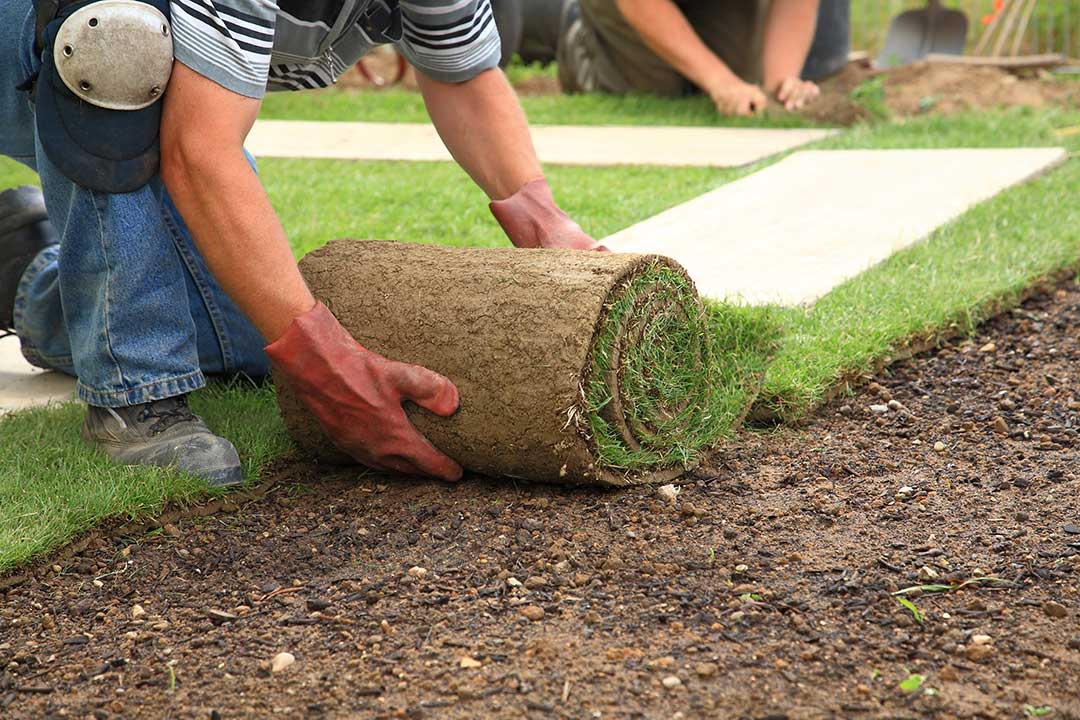
These cultural practices significantly reduce outbreak likelihood.
Are Fungicides Needed for Lawn Disease Control?
Fungicides are rarely the first answer for most area households. Adjusting basic care habits often stops or slows the progression of common lawn diseases. Fungicides may be considered for severe, recurring cases or for high-value parts of the property. Labels must be followed carefully to avoid harm to beneficial organisms, pets, or the wider landscape.
Generally, most lawns recover with improved maintenance and patience as weather conditions change.
What Misconceptions Should Local Homeowners Avoid?
A widespread misconception is that all brown or thinning grass is caused by disease. In many cases, issues stem from drought stress, grubs, or even dog urine spots—none of which respond to disease treatments. Another misunderstanding is that more water or fertilizer will revive sick lawns, but excessive moisture or nutrients can actually worsen many diseases.
Fact-based tips:
- Identify the underlying problem before applying treatments
- Resist overseeding or patching until disease is controlled
- Understand that some diseases (like dollar spot) often resolve as temperatures shift or natural rainfall patterns return
Skillful identification and patient management outperform over-the-counter treatments or quick fixes.
What Steps Help Avoid Repeat Outbreaks in the Rochester Hills Community?
Keeping disease from returning relies on seasonal vigilance and thoughtful long-term care.
Area households should:
- Rotate mowing patterns to avoid soil compaction and ruts
- Overseed thin lawns in the fall with disease-resistant grass varieties appropriate for the region
- Clear autumn leaves promptly to avoid snow mold and suffocation
- Review watering routines after heavy rains or prolonged humidity
- Monitor shaded or slow-drying lawn zones closely
By addressing both environmental sources of stress and routine care, local residents build resilience against lawn diseases, preserving the look and health of their property through Rochester Hills’ varied seasons.