

 See My Latest Article on HelloNation
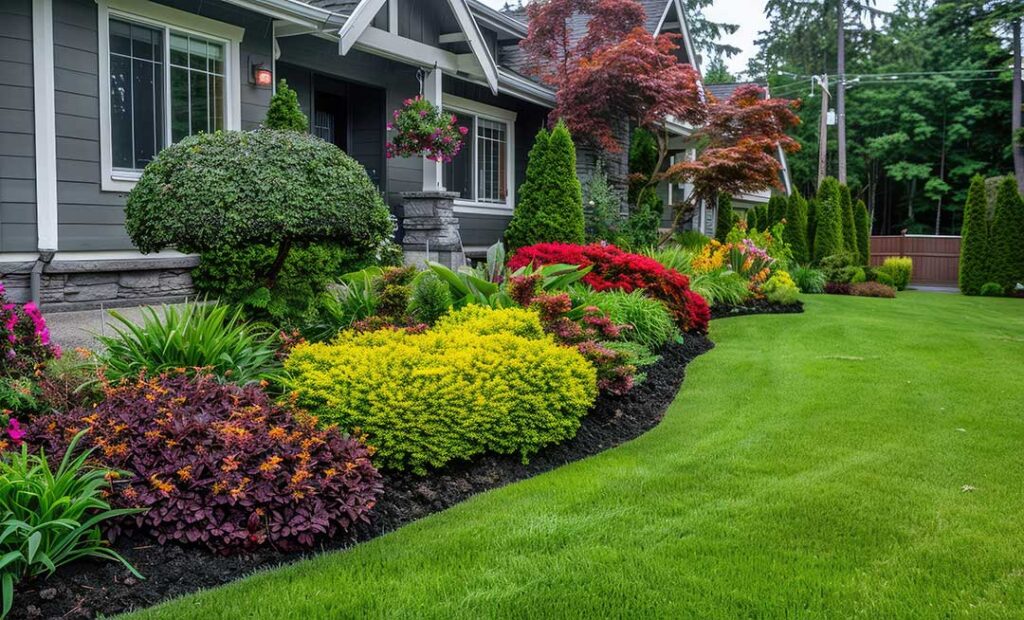
What makes landscaping eco-friendly?
In Rochester Hills, MI, eco-friendly landscaping means designing and maintaining a yard in ways that conserve water, protect soil, reduce pollution, and support useful wildlife. It does not require replacing every lawn area or creating a completely wild garden. Often, the most effective improvements are simple changes that work with the property’s existing conditions.
A sustainable landscape usually has several features:
- Plants matched to the amount of sunlight, moisture, and soil present
- Less unnecessary fertilizer, pesticide, and irrigation use
- Soil protected with mulch, compost, and living ground cover
- Rainwater slowed and absorbed instead of rapidly running across pavement
- A mix of trees, shrubs, grasses, and flowering plants
- Maintenance practices that reduce waste and disturbance
The best approach is usually gradual. A homeowner might begin with a downspout, a compacted planting bed, or a section of lawn that struggles every summer.
Are native plants a good choice for local yards?
Yes. Plants native to Michigan are often well suited to the region’s seasonal conditions, including cold winters, wet springs, summer heat, and periods of drought. Once established, many need less supplemental watering and fertilizer than plants poorly matched to the site.
Native plants also provide food, shelter, and nesting material for insects and birds. A diverse planting can support pollinators from spring through fall rather than offering only one brief flowering period.
Good plant selection depends on more than whether a species is native. Consider:
- Full sun, partial shade, or deep shade
- Moist, average, or dry soil
- Mature height and spread
- Drainage after heavy rain
- Exposure to salt near driveways and walkways
- Whether roots may interfere with pavement, foundations, or underground utilities
Useful native plant types for residential landscapes may include sedges, asters, goldenrods, wild bergamot, black-eyed Susans, serviceberries, viburnums, and redbuds. The correct choice depends on the exact conditions. A plant that thrives in a damp rain garden may fail on a hot, dry slope.
Avoid assuming that every attractive non-native plant is harmless. Some introduced ornamentals can spread aggressively or escape into natural areas. Check a plant’s behavior before adding it to the landscape, especially near wooded edges, drainage areas, or wetlands.
How can a yard manage stormwater naturally?
The most effective stormwater strategy is to keep rain close to where it falls. Roofs, driveways, patios, and compacted soil can send water quickly toward streets and drains. That moving water may carry soil, fertilizer, pet waste, leaves, and other pollutants with it.
A rain garden is a shallow, planted depression that temporarily collects runoff and allows it to soak into the ground. It can be placed near a downspout or at the lower part of a yard, provided water is directed away from building foundations and underground utilities.
Before creating one, observe the property during and after a storm. Look for:
- Areas where water naturally collects
- Erosion channels
- Downspouts that discharge onto pavement
- Lawn sections that remain soggy
- Places where runoff crosses a walkway or driveway
A simple infiltration test can help. Dig a wide hole about 10 inches deep, fill it with water, and observe how quickly the water drains. A site that drains within roughly 48 hours is more suitable than one that remains saturated for several days. Poorly draining areas may need a different design, such as moisture-tolerant plantings without creating a deep basin.
Rain gardens should not be placed against a foundation, over utility lines, or where they could redirect water toward a neighboring property. In areas with substantial drainage problems, steep slopes, or suspected buried infrastructure, careful planning is necessary.
Does reducing lawn help the environment?
Replacing some lawn can reduce mowing, watering, fertilizer use, and fuel consumption. It can also create habitat and improve soil stability. However, removing lawn without a replacement plan may leave bare soil vulnerable to weeds and erosion.

Practical lawn alternatives include:
- Native ground covers in shaded areas
- Deep-rooted perennials in sunny planting beds
- Low-growing sedges for selected conditions
- Mulched tree and shrub beds
- Meadow-style plantings that are maintained intentionally
A smaller lawn can remain useful for play, pets, paths, and outdoor activities. The goal is not to eliminate turf automatically. It is to place turf where it performs well and avoid forcing grass into deep shade, wet soil, or areas that require constant irrigation.
For remaining lawn, mow high enough to support stronger roots, keep mower blades sharp, and avoid removing more than one-third of the grass height at a time. Grass clippings can usually remain on the lawn, where they return nutrients and organic matter to the soil.
How should soil be improved without overusing products?
Healthy soil is the foundation of an efficient landscape. Compacted soil has fewer air spaces, absorbs water poorly, and restricts root growth. This is common in areas exposed to construction traffic, repeated foot traffic, or heavy equipment.
Protect soil by staying off planting beds when they are saturated. Add organic matter such as finished compost where appropriate, but avoid assuming that more material is always better. Excess amendments can alter drainage or nutrient levels.
Mulch is useful around trees, shrubs, and perennial beds. A layer about two to three inches deep can reduce evaporation, moderate soil temperature, and limit weed growth. Keep mulch away from direct contact with trunks and stems, because constantly damp bark can encourage decay and pest problems.
Bare soil should be covered with plants, leaf litter, or an appropriate mulch. This reduces erosion during spring snowmelt and heavy summer storms.
Can landscaping reduce fertilizer and pesticide use?
Yes. The first step is to determine whether a product is needed at all. Overfertilizing can weaken plants, encourage excessive growth, and send nutrients into stormwater. Soil testing is more reliable than applying fertilizer by habit.
If fertilizer is necessary, use the smallest practical amount and follow the label directions. Slow-release products may reduce the risk of nutrient loss. Do not apply fertilizer before heavy rain, and keep it off sidewalks, driveways, and streets where it can wash away.
Integrated pest management is a lower-impact alternative to routine spraying. It involves identifying the pest, checking whether the damage is serious, and trying cultural or physical controls first. Removing diseased leaves, improving airflow, choosing resistant plants, and hand-picking limited infestations can often solve minor problems.
Pesticides should not be used simply because an insect is present. Many insects are harmless, beneficial, or temporary visitors.
What seasonal practices work well in this climate?
Spring is a good time to inspect erosion, refresh paths, and identify areas that remain wet. Delay heavy work if the soil is saturated, since walking or driving on wet ground can create long-lasting compaction.
Summer maintenance should focus on watering deeply and less frequently rather than lightly watering every day. Water early in the morning when possible, and direct water to the root zone instead of wetting foliage.
In fall, leaves can be shredded and left on the lawn in a thin layer or used as mulch in planting beds. Thick piles should be removed from turf and kept away from storm drains. Fallen leaves also provide winter habitat for insects, so not every bed needs to be cleaned completely.
Winter preparation includes protecting young trees from damage, keeping deicing materials away from planting beds, and avoiding unnecessary pruning during severe cold.
Eco-friendly landscaping works best as a system: suitable plants, living soil, careful water management, and maintenance that prevents problems before products are needed. For area households, even one improved planting bed or better-managed downspout can make the property more resilient through wet springs, hot summers, and changing seasonal conditions.